TW9 Upholstery Cleaning Tips for Richmond Riverside Flats
If you live in a TW9 flat near the river, you already know the small stuff adds up fast: damp shoes by the door, a bit of pollen on the sofa, the smell of last night's takeaway lingering in the curtains, and upholstery that seems to show every mark by midweek. These TW9 upholstery cleaning tips for Richmond riverside flats are designed for that exact reality. Not a perfect showroom. A real home. One with limited space, shared hallways, natural light that exposes every crumb, and fabrics that need care rather than brute force.
This guide walks through what matters, how upholstery cleaning actually works, the safest way to tackle common marks, and when it makes sense to bring in a professional. Along the way, you'll get practical advice for sofas, armchairs, dining chairs, and other soft furnishings in riverside flats where moisture control matters as much as stain removal. Let's face it, a good clean should make life easier, not create a soggy afternoon.
Table of Contents
- Why it matters in Richmond riverside flats
- How upholstery cleaning works
- Key benefits and practical advantages
- Who this is for and when it makes sense
- Step-by-step guidance
- Expert tips for better results
- Common mistakes to avoid
- Tools, resources and recommendations
- Law, compliance, standards, or best practice
- Options, methods, and comparison table
- Case study or real-world example
- Practical checklist
- Conclusion
- Frequently asked questions
Why TW9 upholstery cleaning tips for Richmond riverside flats Matters
Riverside flats in TW9 often face a slightly different cleaning challenge from houses or ground-floor properties elsewhere. Humidity can hang around longer, windows may stay shut on busy days, and soft furnishings pick up moisture, dust, and odours more quickly than you'd expect. If you have a flat with a compact living room or an open-plan kitchen lounge, upholstery tends to do double duty: it's where people sit, eat, work, and occasionally spill coffee at 8:15 on a Monday.
That makes routine cleaning more than a cosmetic job. It helps protect fabric fibres, reduces build-up of grit and body oils, and can extend the usable life of a sofa or chair. It also keeps the room feeling fresher, which is especially noticeable in smaller riverside apartments where smells can linger. A fabric that looks "just a bit tired" may already be holding onto dust, pet hair, and residue deep in the pile.
There's another point too: many TW9 renters want their flat to look presentable without risking damage. Over-wetting a cushion can lead to marks, slow drying, or even mildew if ventilation is poor. So the right approach is not simply "clean harder". It is cleaner, drier, and more controlled. That distinction matters quite a lot.
If you are thinking about broader home upkeep as well, it can help to look at domestic cleaning or even a more targeted deep cleaning service when the whole flat needs attention rather than just one sofa.
How TW9 upholstery cleaning tips for Richmond riverside flats Works
Upholstery cleaning works best when you treat the fabric type, the stain type, and the drying conditions as three separate decisions. People often jump straight to the "what product should I use?" question, but the better starting point is what the manufacturer says the fabric can handle. Most sofas and chairs carry a care label, often with letters that indicate whether water-based cleaning, solvent-based cleaning, or professional-only methods are suitable.
In simple terms, the process usually looks like this:
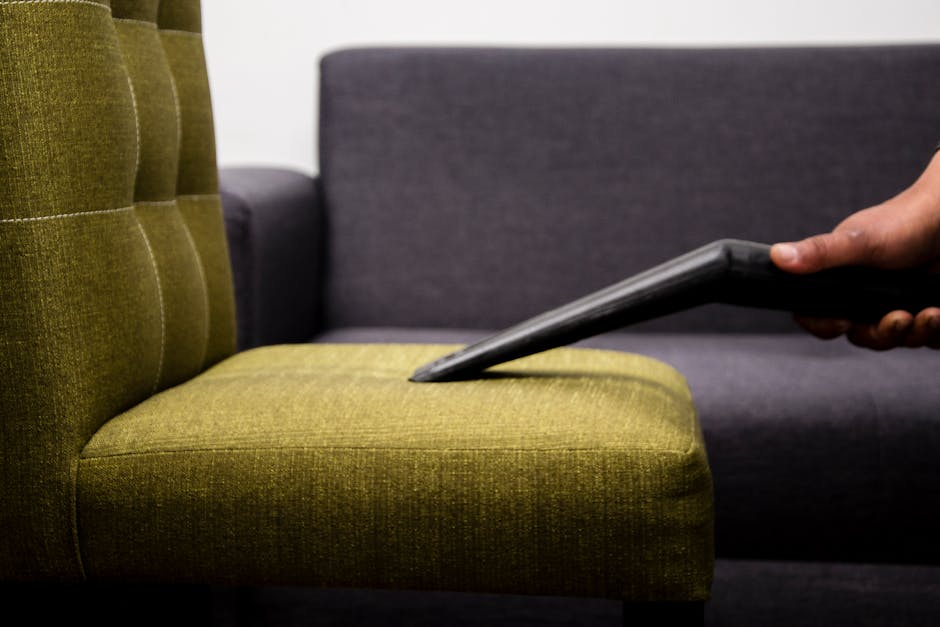
- Remove loose dust and crumbs with careful vacuuming.
- Test any cleaner on a hidden area first.
- Treat spots one at a time rather than soaking the whole piece.
- Blot, don't rub, to avoid spreading the stain.
- Control moisture so the fabric dries properly.
In riverside flats, drying is often the part people underestimate. A cushion that feels only slightly damp may stay damp inside for hours, sometimes longer if the room is warm but not well ventilated. That can lead to odours or a rough patch on the fabric once it dries. If you open windows, use airflow sensibly, but don't create a chilly, damp cross-breeze and hope for the best. A fan and a little patience usually beats a rushed scrub.
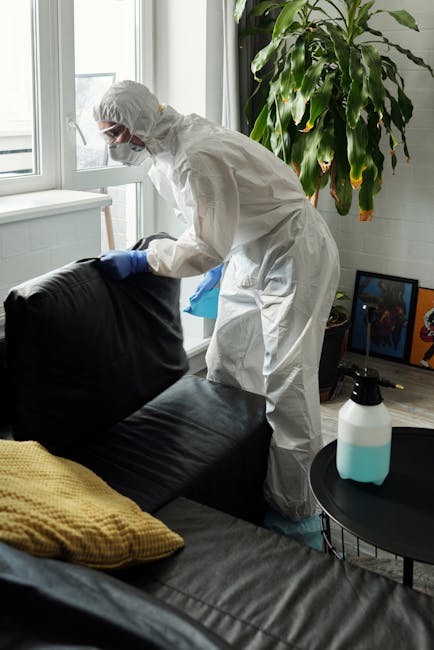
Professional upholstery cleaning follows the same logic, just with more controlled equipment. In many cases, a technician from an experienced upholstery cleaning service will inspect the fabric, pre-treat stains, use the least aggressive method suitable, and manage extraction and drying carefully. That's often the difference between "looks better" and "looks properly restored".
Key Benefits and Practical Advantages
Good upholstery care gives you more than a cleaner-looking sofa. The benefits show up in daily life, and often in ways you only notice after the fact.
- Better appearance: refreshed fabric makes the whole flat feel tidier, even if nothing else has changed.
- Longer fabric life: removing grit and residue helps reduce wear on seams and fibres.
- Improved comfort: soft furnishings feel fresher, less sticky, and more pleasant to use.
- Odour control: food smells, pet odours, and general flat living build-up are reduced.
- Healthier environment: regular cleaning can reduce dust accumulation and allergens in the seating area.
- Better landlord or end-of-tenancy presentation: well-kept upholstery supports a strong first impression.
There's also a small but real confidence boost. You sit down, put the kettle on, glance at the sofa, and think: yes, this place is in hand. That matters more than people admit.
For many residents, upholstery care sits alongside other home upkeep like house cleaning or one-off refreshes before guests arrive. If you only have energy for one thing this weekend, though, start with the armrests and seat cushions. They take the most abuse. Always do.
Who This Is For and When It Makes Sense
These tips are useful for a wide mix of TW9 residents, but they are especially relevant if you live in a riverside flat where space, humidity, and traffic from outdoor shoes all affect fabric surfaces.
- Renters: if you want to avoid avoidable marks and keep your deposit risk lower.
- Homeowners: if you're protecting newer furniture or keeping family seating fresh.
- Pet owners: if fur, odours, and the occasional muddy paw are part of normal life.
- Families: if snacks, drinks, and sticky fingers are part of the furniture story.
- Professionals working from home: because your sofa is probably now an office chair, lunch table, and waiting room all in one.
- Anyone preparing for guests, a sale, or check-out: because upholstery is one of the first things people notice without really noticing.
It also makes sense to book help when the fabric is delicate, the stain is older, or the item is too large to dry quickly in a flat. If your cushions stay cold and slightly damp after cleaning, that is your cue to stop improvising. No drama, just practical judgement.
Step-by-Step Guidance
Here's a safe, sensible way to clean upholstery in a Richmond riverside flat without making a mess of it.
1. Identify the fabric first
Check the care label. Common indicators tell you whether water-based cleaning is suitable. If the fabric is velvet, silk-blend, boucle, or anything unusually textured, be extra cautious. Unknown fabric? Test first. Always.
2. Vacuum thoroughly
Use a clean upholstery attachment and work slowly over seams, piping, under cushions, and into corners. This step removes grit that can scratch or grind into the fabric during cleaning. A surprising amount collects where people sit most often. The side nearest the window too, if sunlight encourages dust to show off a bit.
3. Deal with dry debris before moisture
Pick off crumbs, pet hair, and lint before you apply any solution. A lint roller can help on smoother fabrics, though don't press too hard on delicate weaves. If a pet lives on the sofa, you'll know the difference between a "quick vacuum" and a proper one immediately. There's fluff, and then there's a full ecosystem.
4. Spot test any cleaner
Dab a little product on a hidden area and wait for it to dry. You're checking for colour transfer, ring marks, or changes in texture. If anything looks off, stop there. Not every cleaning problem needs a cleaning product. Sometimes restraint is the win.
5. Work on stains from the outside in
Apply a small amount of suitable cleaner to a cloth, then blot from the outer edge of the stain towards the centre. This helps keep the mark from spreading. Use light pressure. You are coaxing the stain out, not wrestling it.
6. Use minimal moisture
One of the best TW9 upholstery cleaning tips for Richmond riverside flats is simple: use less water than you think. Over-wetting is risky in flats because drying can be slower, especially in cooler weather or if the room has poor ventilation. A barely damp cloth is often enough for light marks.
7. Rinse carefully where needed
If your product requires rinsing, use a cloth dampened with clean water and remove residue gently. Detergent left in fabric can attract dirt later. That's the annoying bit nobody mentions at the start.
8. Dry properly
Open windows when conditions allow, use airflow, and keep cushions upright if possible. A fan can help. Avoid sitting on the furniture until it is fully dry. If the room smells a bit "closed in" after cleaning, drying is not finished yet.
9. Finish with a final vacuum
Once dry, vacuum again lightly to restore the nap and remove loosened debris. This often makes the fabric look better than the cleaning itself did.
Expert Tips for Better Results
Small adjustments make a big difference. In our experience, the people who get the best results are not the ones using the most product. They're the ones being deliberate.
- Blot with white cloths: coloured cloths can bleed, especially with warm water or cleaning solution.
- Lift cushions and air them separately: this helps with drying and reduces hidden moisture.
- Clean armrests more often: they carry skin oils and grime faster than the rest of the sofa.
- Use a dehumidifier if the flat holds moisture: especially useful after a wet clean in winter.
- Keep a small fabric brush handy: it can tidy pile fabrics without aggressive scrubbing.
- Act quickly on spills: fresh marks are easier, cheaper, and less annoying. Truth be told, that is half the battle.
Here's a simple rule that saves a lot of trouble: if the stain is spreading while you clean it, stop adding liquid. Pause. Switch to blotting. Then reassess. The sofa is not going anywhere.
If you also need other parts of the flat refreshed, pairing upholstery care with rug cleaning or carpets cleaner support can make the room feel newly finished rather than piecemeal.
Common Mistakes to Avoid
Most upholstery damage happens through overconfidence, not bad luck.
- Rubbing stains hard: this pushes them deeper and can rough up the fibres.
- Soaking fabric: too much liquid can leave rings, smell, or slow drying.
- Skipping the label: one small care symbol can save a very expensive mistake.
- Using random household cleaners: bleach, harsh sprays, and strong solvents can discolour fabric.
- Cleaning only the obvious patch: this can leave a visible boundary or water line.
- Ignoring hidden moisture: cushions, zips, and seams trap dampness longer than flat surfaces.
- Putting covers back too early: that's how you trap smells. Nobody wants that.
One common flat-specific mistake is forgetting about ventilation. A riverside flat may feel airy enough with a window open, but that is not always enough after a wet clean. If it's a chilly afternoon in November, you may need more than fresh air and optimism.
Tools, Resources and Recommendations
You do not need a giant kit. A modest, well-chosen set of tools is usually enough for routine care.
| Tool or item | Best use | Why it helps |
|---|---|---|
| Upholstery vacuum attachment | Routine dust and crumb removal | Reaches seams and corners without harsh contact |
| Microfibre cloths | Blotting and light cleaning | Absorbent, controlled, and easy to swap out |
| Soft brush | Loosening surface dirt on sturdy fabrics | Useful for pile and textured upholstery |
| Clean spray bottle | Applying very small amounts of solution | Helps avoid over-wetting |
| Dry towels | Extra moisture control | Useful in flats where drying space is limited |
| Portable fan or dehumidifier | Drying support | Helps manage moisture after cleaning |
When the furniture is valuable, delicate, or simply too large to dry easily, a professional from a trusted sofa cleaning or home cleaners team can be the safer route. That's especially true for landlords, busy families, or anyone who would rather not gamble with a cream armchair and a bottle of mystery spray.
If you want to compare scopes of work, broader cleaning company support may suit a full property refresh, while a more focused service is better if you only need one or two pieces treated.
Law, Compliance, Standards, or Best Practice
For household upholstery cleaning, the practical focus is usually on safety, fabric suitability, and careful product use rather than heavy regulation. Still, there are a few important best-practice points worth keeping in mind.
- Follow manufacturer care labels: that is the first and most reliable guide for the fabric.
- Use products as directed: stronger is not better. It often just means riskier.
- Store chemicals safely: especially in flats with children or pets.
- Ventilate properly: this matters for drying and for indoor air quality.
- Choose insured professionals when needed: a reputable provider should be able to discuss safety and cover clearly.
If you hire help, it is sensible to ask how they handle risk, what they do if a fabric reacts badly, and how they manage drying time in flat settings. A good provider should be open about that. You should not need to chase anyone for a straight answer.
For customers who value service standards and clear process, pages like insurance and safety and health and safety policy can help you understand how a company frames its responsibilities. If you are checking service terms more generally, terms and conditions and pricing and quotes are worth reviewing before booking.
Options, Methods, and Comparison Table
Not every upholstery job needs the same approach. Here is a simple comparison that may help you choose.
| Method | Best for | Pros | Watch-outs |
|---|---|---|---|
| Dry vacuuming only | Routine maintenance | Fast, safe, low risk of moisture damage | Won't remove set stains |
| Light spot cleaning | Fresh spills and small marks | Targeted and economical | Needs careful testing and drying |
| Foam or low-moisture cleaning | General refresh on suitable fabrics | Lower drying time than heavy wet cleaning | Still requires correct fabric matching |
| Professional hot water extraction | Robust upholstery with deeper soiling | Thorough, effective on many fabrics | Not suitable for every material; drying must be managed |
| Professional specialist treatment | Delicate, valuable, or awkward items | Best protection for tricky fabrics | Usually needs an expert assessment first |
For flats near the river, the safest default is often low-moisture care unless the fabric and room conditions clearly allow more. If in doubt, do less, not more. That sounds almost too simple, but it saves people regularly.
Case Study or Real-World Example
Picture a typical TW9 riverside flat: two bedrooms, an open-plan lounge, and a pale sofa that looks lovely until someone spills tea on a rainy evening. The resident tries a stronger cleaner, rubs the spot, and ends up with a larger faded patch. Not ideal. Very human, though.
A better approach would have been to blot the spill immediately, vacuum the area once dry, test a small amount of suitable fabric cleaner on the underside of a cushion, and work slowly with minimal moisture. In a flat like this, the biggest win is often drying speed, not heroic scrubbing. A portable fan near an open window, cushions separated, and no one sitting on the sofa for a while can change the outcome completely.
In a similar kind of job, a professional technician would likely inspect the fabric, identify the safest method, treat the mark, and then advise on drying time. That advice alone is sometimes worth more than the cleaning itself, because it stops the same mistake happening again two weeks later.
When the whole flat needs a reset, especially after decorating, move-in chaos, or a long spell of routine wear, it can make sense to combine upholstery work with one-off cleaning or end of tenancy cleaning. Different situation, same principle: get the detail right and the room feels instantly calmer.
Practical Checklist
Use this quick checklist before you start:
- Check the fabric care label.
- Vacuum all surfaces, seams, and under cushions.
- Confirm the stain type if possible.
- Test the cleaner in a hidden spot.
- Use a white cloth and blot gently.
- Avoid soaking the fabric.
- Keep room ventilation in mind.
- Dry cushions separately where possible.
- Do a final vacuum once fully dry.
- Stop and call a professional if the fabric reacts badly.
Quick expert takeaway: in a TW9 riverside flat, the best upholstery cleaning results usually come from restraint, testing, and controlled drying. Not from pouring more liquid on the problem and hoping for the best.
Get a free quote today and see how much you can save.
Conclusion
TW9 upholstery cleaning in Richmond riverside flats is really about balance. You want furniture that looks fresh and feels comfortable, but you also need to respect the fabric, the room size, and the drying conditions that come with flat living by the water. Once you get that balance right, upholstery care stops feeling like a hassle and starts feeling like part of normal home upkeep.
Start with the basics: vacuum carefully, test products, use less moisture than you think, and give everything enough time to dry. If the item is delicate, valuable, or simply too awkward to manage properly, professional help is often the sensible choice. No fuss, no drama. Just a cleaner, calmer home.
A well-kept sofa does not change your life, of course. But on a quiet evening in Richmond, with the windows cracked open and the room smelling properly clean, it comes close enough.
Frequently Asked Questions
What is the safest way to clean upholstery in a TW9 flat?
The safest approach is to vacuum first, check the care label, test any cleaner in a hidden area, and use as little moisture as possible. In flats, drying matters just as much as cleaning.
Can I use a steam cleaner on my sofa?
Sometimes, but not always. Steam or hot water methods are not suitable for every fabric. Check the care label and test carefully, or choose a professional service if the fabric is delicate.
How often should upholstery be cleaned in a riverside flat?
That depends on use, pets, and how much traffic the furniture gets. Light maintenance should be regular, while deeper cleaning may be needed less often. Sofas in busy family homes usually need attention sooner than guest-room chairs.
Why does upholstery take longer to dry in flats near the river?
Moisture can linger more easily in smaller spaces, especially if ventilation is limited or the weather is damp. Good airflow and careful moisture control help reduce drying time.
What should I do if a stain is old and set in?
Be cautious. Older stains can be harder to remove and more likely to react badly to cleaning. Test gently, avoid aggressive scrubbing, and consider professional help if the fabric is important.
Is it better to clean upholstery myself or hire someone?
For small, fresh marks on sturdy fabric, DIY cleaning can work well. For large items, delicate fabrics, or stains you do not want to worsen, a professional is usually the safer route.
Will cleaning upholstery remove smells too?
Often, yes, especially when odours are caused by spills, pets, or general build-up. But smell removal depends on the fabric, the depth of the issue, and proper drying afterwards.
Can I use regular household cleaner on fabric furniture?
It is not a good idea unless the product is specifically suitable for upholstery. Harsh or mismatched cleaners can cause fading, rings, or texture damage.
How do I stop water marks from appearing?
Use minimal moisture, work from the outside of the stain inward, and dry the area evenly. Uneven drying is one of the main causes of rings and visible marks.
What kind of upholstery is hardest to clean?
Delicate, textured, or natural fabrics such as velvet, boucle, silk blends, and some wool mixes can be trickier. They often need specialist handling and a much lighter touch.
Should I clean all the cushions at once?
If possible, yes, so the finish stays consistent. But only if you can dry them properly. In a flat, partial cleaning can sometimes be safer than overdoing the whole set at once.
Where can I get help if I want a professional finish?
If you want expert support, look at the service pages for upholstery cleaning or sofa cleaning, and check the company's about us information before booking. That gives you a better feel for how they work and what to expect.